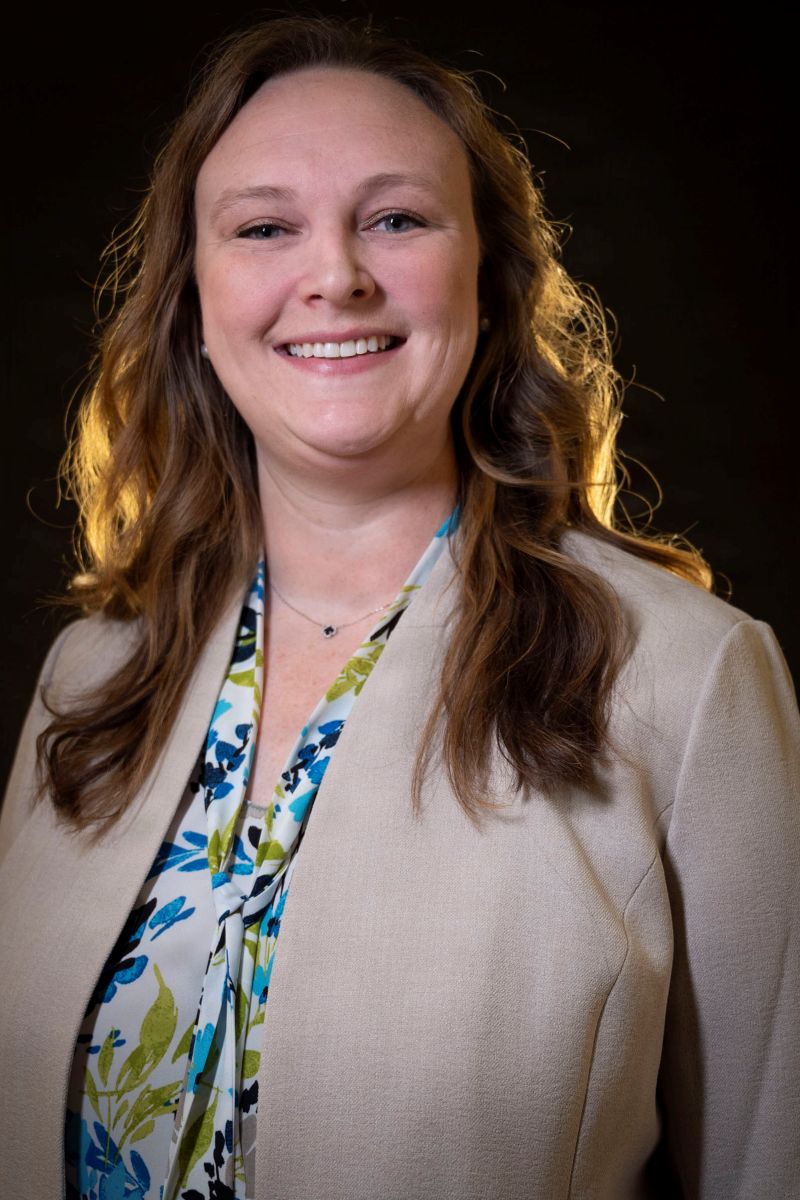
April 22, 2026 | By T. T. Parish, Operational Medical Systems


April 22, 2026 | By T. T. Parish, Operational Medical Systems
Equipping medical providers in the U.S. Joint Force and combatant commands is imperative to ensuring America’s warfighters remain the most lethal fighting force in the world.
The medical acquisition, development, and fielding missions of the U.S. Department of War are complex. Over the past two years, the Operational Medical Systems team, part of the Defense Health Agency, has evolved to better meet the needs of the DOW and combatant commanders across the globe.
In keeping with DOW and DHA acquisition reform initiatives, OPMED is on the leading edge of stakeholder partnerships to identify, develop, and field lifesaving solutions to fill critical capability gaps for combatant commands and far-forward medical providers.
Vital to this effort are the OPMED program and project coordinators who work to bring order to a highly complex organization – keeping the machine moving and improving the processes that help to build an unmatched medical acquisition capability for the DOW.
Below, several members of OPMED’s contractor support team share their insights on how they work together to advance the wider mission. [Some responses have been lightly edited for clarity.]
OPMED STRATCOM: Why do you think program and project support is vital to OMPED’s mission accomplishment?
Emily Wilkinson (EW), OPMED Executive Staff: The criticality of OPMED’s mission dictates that everyone participates to the fullest extent of their ability. Our leadership trusts administrative team members to fulfill all procedural obligations, and to proactively identify opportunities and resolve situations so that all OPMED staff can perform effectively and efficiently in their respective roles. You cannot underestimate the importance that coordinating meetings, managing documents, and facilitating workflow has to ensuring the success of the team.
Ginayra Garcia (GG), Warfighter Readiness, Performance, and Brain Health Project Management Office: I truly believe program and project coordinators are the backbone of an organization, ensuring smooth daily operations by managing timely and professional communication, scheduling, and providing support where needed. Administrative support is vital to OPMED’s mission as we ultimately contribute to increased efficiency, productivity, and positive customer relations within the organization.
Jenny Dixon (JD), Warfighter Expeditionary Medicine and Treatment Project Management Office: Administrative support enables our team members to focus on other priorities while the program and project coordinator support professionals manage administrative matters, making sure correspondence and information packages are correct.
Toi Andress (TA), Warfighter Protection and Acute Care Project Management Office: Program and project coordinator support is the backbone of OPMED. It allows staff to focus on their missions rather than routine time-consuming duties.
OPMED STRATCOM: How do you work collaboratively with other OMPED team members and outside stakeholders to better support your team’s mission?
EW: Program and project coordinator team members independently offer support within our organizational divisions and offices to ensure our team’s effectiveness. Overall, we work collaboratively so that the organization can integrate and synchronize [planning and operational efforts]. We strive to gain the knowledge, experience, and confidence that allows us to offer perspectives that foster creative solutions.
GG: I like clear and open communication, so to work collaboratively and effectively with stakeholders inside and outside OPMED, building trust is important to share ideas and solutions.
OPMED STRATCOM: During times of change and transition, why is it important to have a concerted and strategic administrative support function within an organization?
EW: Times of change can be challenging since there are a lot of unknowns. I think it is important to have a solid program and project coordinator support team to assist leadership with defining the goals, policies, and procedures that will ensure continued smooth operations within the organization. This team can assist with keeping processes uniform across the organization to identify and resolve any problems that arise.
GG: Administrative support is crucial during times of [organizational change]. We provide our teams with structured support with clear direction and understanding to navigate through the complexities of transition. We ensure everything runs smoothly and we try to minimize disruptions to the organization.
OPMED STRATCOM: How would you describe your teamwork philosophy, and how does it help you accomplish your mission in support of your team and OPMED?
EW: Individuals may receive recognition for exemplary action, but none of that matters if OPMED fails at its mission. Teamwork is essential to accomplishing tasks in support of the OPMED mission. Being able to communicate and work efficiently within your team and amongst the other divisions is, without question, one of the most important aspects of this job. Teamwork within this organization means sharing responsibilities and working together to achieve OPMED’s overall mission.
GG: The most effective teams are those that have good leaders who create a positive and honest environment for the team to come together to share ideas, solve problems, and work together effectively with the same goal in mind. I am fortunate to be surrounded by so many talented and knowledgeable team members who have shared goals that align with the OPMED mission. This motivates me to always work hard and to ensure everything falls into place smoothly.
TA: [Mission success depends on] program and project coordinator support and having our team trained and working together. I provide training for new team members and assistance as needed. We make sure that templates are correct and perform review and editing before staffing documents to senior leadership.
OPMED STRATCOM: Everyone has duties that don’t necessarily fall within their job description. How do you approach these types of duties, and why is it important to remain flexible and willing to take on additional duties?
EW: From previous experience, I know that in times of change, there are a lot of additional duties that may pop up. I understand the importance of adaptability and commitment to the team for the success of the mission. Within my current position, I have looked at taking on additional duties as a way to help broaden my skills and expertise to support the team members within my division.
GG: I am always happy to take on additional duties. I take that as an opportunity to learn and grow and an opportunity for me to advance my skills and knowledge. I also love to assist anywhere I can to complete tasks in a timely manner. It is important for me to remain flexible to improve productivity and to keep the team and our customers satisfied.
JD: It is always best to be ready, willing, and able to take on something that may not be in your scope of duties to better help the customer. [A flexible approach] helps keep our customers happy and helps maintain the pride we have as a team.
OPMED STRATCOM: What are some of the things that drive you as a professional?
EW: Things that drive me as a professional include challenging work with the opportunity to learn and grow, and a desire to make a difference. After that, I enjoy how attention to detail ensures success and personal fulfillment. The program and project coordinator support team is performing so much work behind the scenes so that the visible success of the organization can shine.
GG: Learning new skills to move up in the organization, gaining knowledge, helping others, collaborating, facing challenges, and embracing new things all drive me as a professional.
TA: Developing workplace skills and learning what other team members do [is what drives me]. Also, I was able to shadow other departments and learn how they support the organization. I enjoy working with the WPAC team. It is a blend of fulfilling work, positive relationships with colleagues and leadership, and a culture that values me and my contributions.