Oct. 01, 2026 | By Defense Health Agency Communications


Oct. 01, 2026 | By Defense Health Agency Communications
The end of summer brings a higher risk of hurricanes, wildfires, floods, and severe storms. These events can disrupt your healthcare and displace you from your home. TRICARE has special rules and tools to help you get care and stay on track with your prescriptions during a crisis.
Follow TRICARE Disaster Alerts X account to see the latest updates on natural disasters. Or you can also find emergency refill notices at Express Scripts Weather Notices. Visit Disaster Information for general natural disaster preparedness information.
When the government declares a state of emergency, TRICARE may put special rules in place. These rules can include:
Check TRICARE Disaster Alerts to see if your state or county is affected. You can also check to see if your state or county qualifies for emergency refills.
A disaster may keep you from reaching your primary care manager for a referral. If TRICARE issues a referral waiver, you can see a TRICARE-authorized provider without one. Follow TRICARE Disaster Alerts for more information.
Before or during natural disasters, TRICARE may authorize early refills for prescriptions, as described in the TRICARE Pharmacy Program Handbook. If you need an emergency refill, bring your prescription bottle to any TRICARE retail network pharmacy. To find one:
Try to visit the pharmacy where you first filled the prescription. If you use a network retail pharmacy, you can fill your prescription at other locations of the pharmacy. If your provider can reach a pharmacy, they may call in a new prescription for you. You can also ask a different pharmacy for help, but that pharmacy can choose whether to help you.
Don’t see your state or county on the alerts page? Call Express Scripts at 877-363-1303 or contact your regional contractor. Ask if emergency procedures apply in your area.
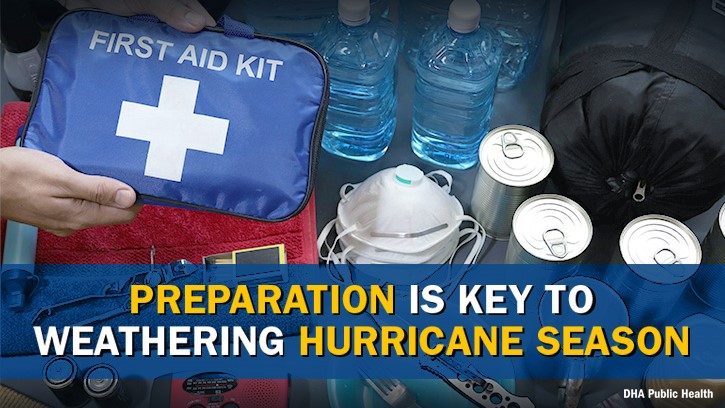
Plan a safe evacuation route and pick a safe shelter ahead of time. Pack these items in a waterproof container before you evacuate:
Do you have a chronic condition, or a vision, hearing, or mobility impairment? You may need to take a few extra steps. Talk to your doctor about an emergency healthcare plan. Learn where you can find more than one facility for dialysis or other life-sustaining treatments. Wear a medical alert tag or bracelet. Arrange to receive disaster warnings and get help reaching shelter. Also pack these items if you have special medical needs:
Once the natural disaster passes, a few TRICARE tasks can help you avoid delays and unexpected costs.
By taking these steps to prepare today, you can ensure that you and your family maintain continuous, reliable access to the healthcare and medications you need during an emergency.