Oct. 08, 2026 | By TRICARE Communications


During this time, beneficiaries may be unable to update contact information, verify eligibility, or complete enrollment actions. Access to TRICARE and other DOD benefit systems that rely on DEERS may also be temporarily affected.


Oct. 08, 2026 | By TRICARE Communications
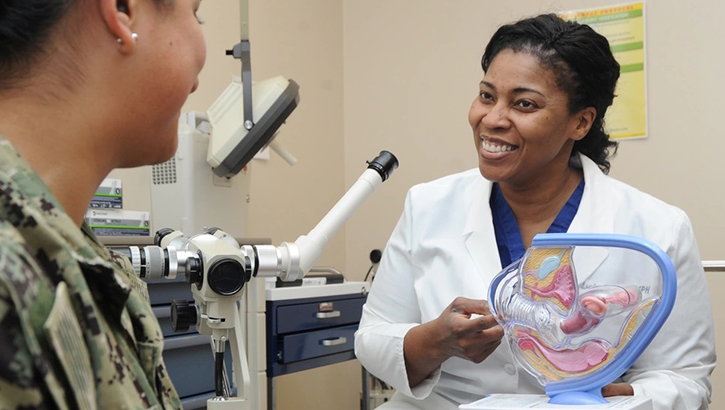
Knowledge is key when it comes to cervical cancer. There are now testing options that let women screen for cervical cancer risk in a more comfortable, private way. “We know what causes most cervical cancers, and we have the tools to detect and treat changes at a precancerous stage before they can become cancer,” said Dr. Paul Cordts, Chief Medical Officer, at the Defense Health Agency. “This makes it important to know which screenings are recommended for you and when you should get them.”
Cervical cancer screening is based on your age and risk factors. In addition to cervical cancer, TRICARE covers many other cancer screenings. Talk to your provider to learn about which screening tests may be right for you.
What causes cervical cancer? The main cause of cervical cancer is Human Papillomavirus. HPV is very common, but most people don’t have any symptoms. Certain high-risk strains of HPV cause almost all cervical cancers. Over time, HPV causes changes in the cervical cells that can develop into cancer if they aren’t treated. Early detection is the best defense and saves lives.
Know your screening options Prevention: The HPV vaccine is the first step in preventing cervical cancer. Adults up to age 45 can get the vaccine.
Screening: Pap tests and HPV DNA testing are two ways to screen for cervical cancer. Depending on your age and medical history, your provider may recommend an HPV test, a Pap test, or both. These tools are a highly effective, proactive approach to get ahead of the disease before any cell changes even occur.
New options now available: Some military hospitals and clinics now also offer a new self-collection option for HPV testing. This lets people collect their own sample privately during a clinic visit, offering a more comfortable and convenient experience.
Costs and coverage: You have the flexibility to get the care you need, where you need it, without out-of-pocket expenses. Cancer screening tests are preventive care. This means you’ll have no out-of-pocket costs for covered screening tests.
TRICARE Prime and TRICARE Select beneficiaries can access preventive care, including cervical cancer screenings, from network providers in the community at no cost and without needing a referral.
What to do: See Getting Preventive Care for your TRICARE plan’s options. If you need a provider, the Find a Doctor Tool can help.
Ask your provider about your cervical cancer screening status. Discuss if primary HPV testing or the new self-collection method is right for you.
Stay on top of your status. If you’re due for screening, schedule what you need right away.